
Household guides
Practical answers for awkward bin moments.
Short guides for the questions that are just messy enough to make people pause: food residue, mixed materials, e-waste, hazardous items, and local-rule caveats.
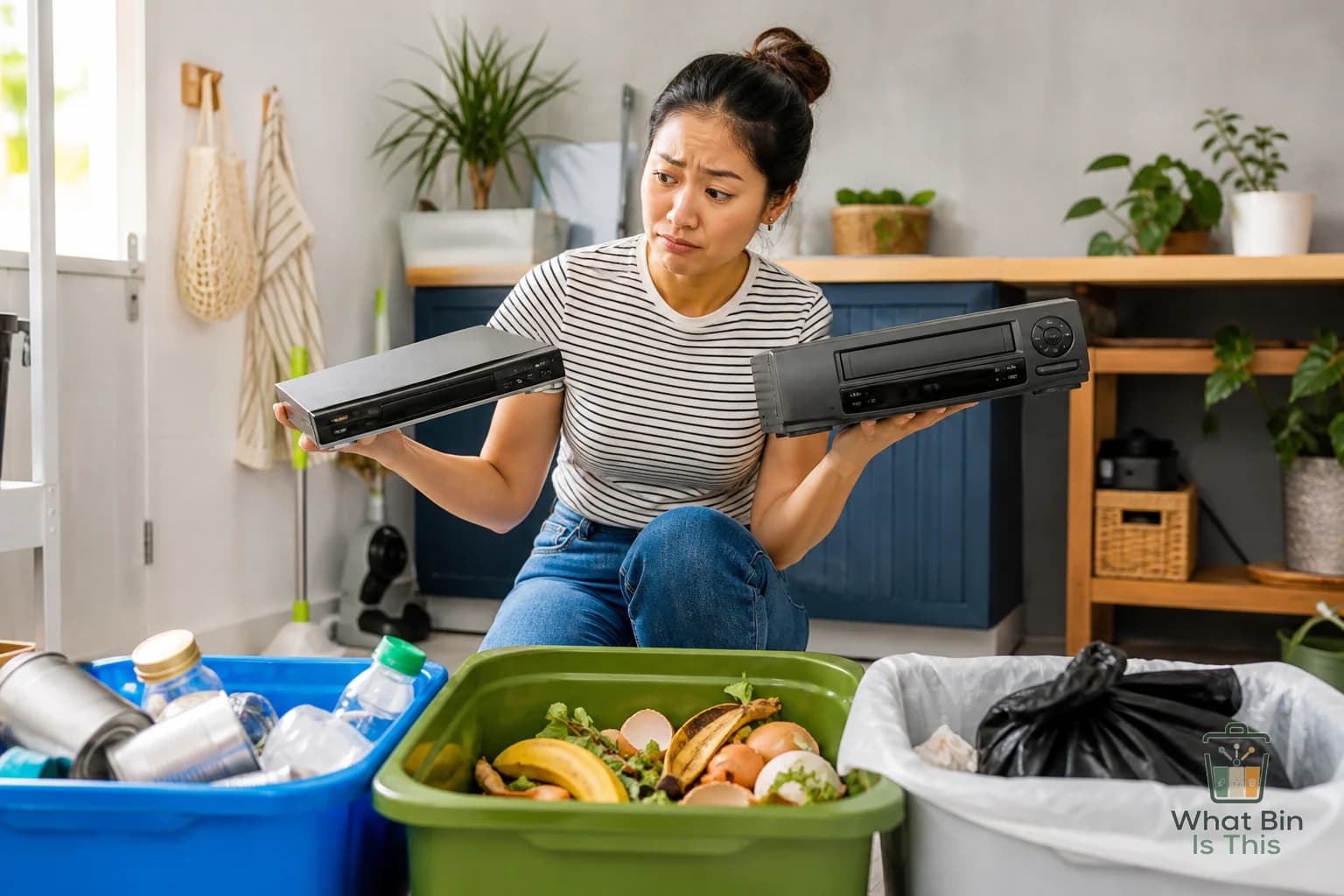
Do dvd players and vcrs go in the recycling bin?
Old DVD players and VCRs usually do not belong in curbside recycling. Use e-waste drop off, donation, repair, or local bulky trash rules.
Read guide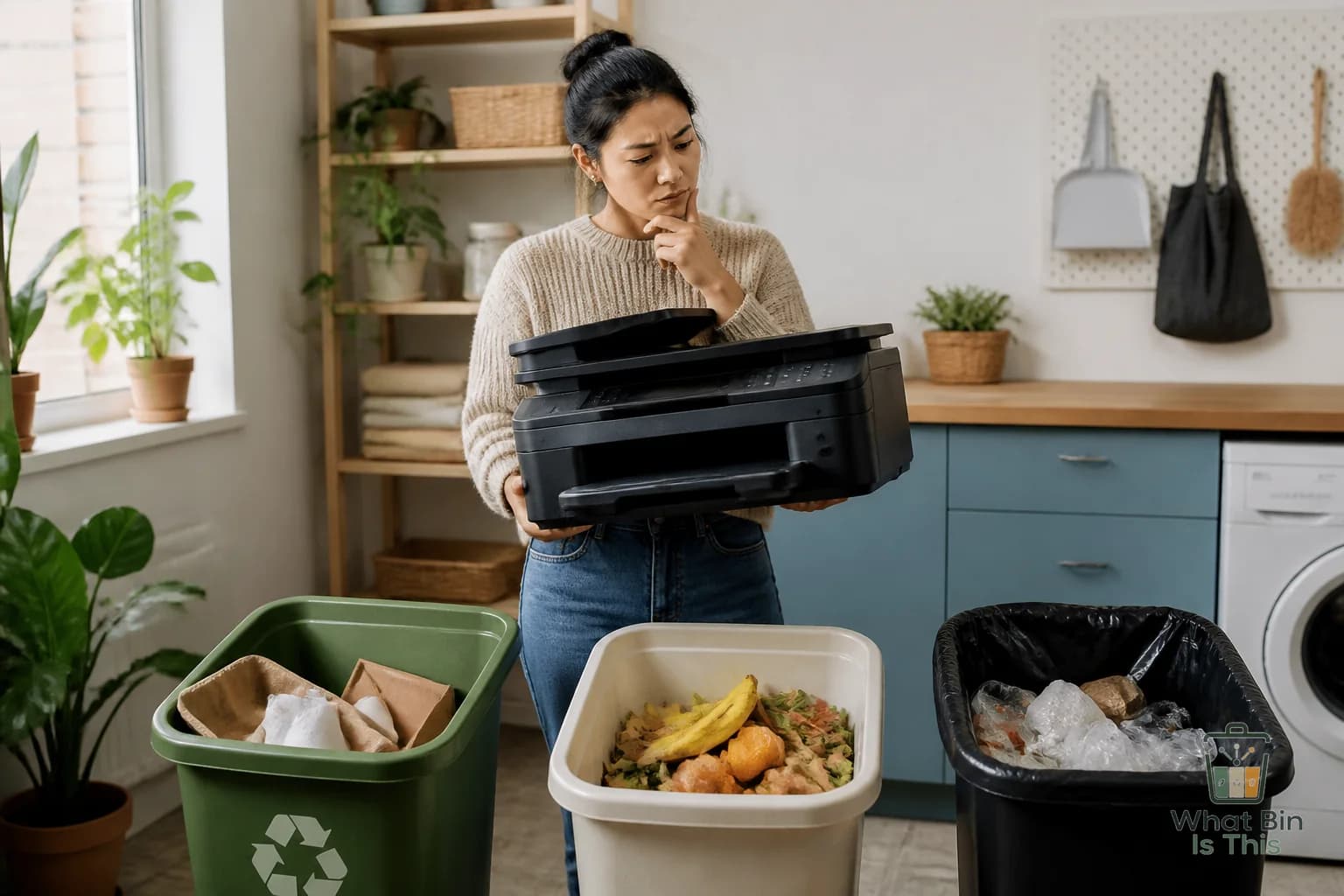
Old printer disposal: trash recycling or e-waste?
Old printers usually do not belong in the curbside recycling bin. Use e-waste drop off, retailer takeback, or local bulky waste rules.
Read guide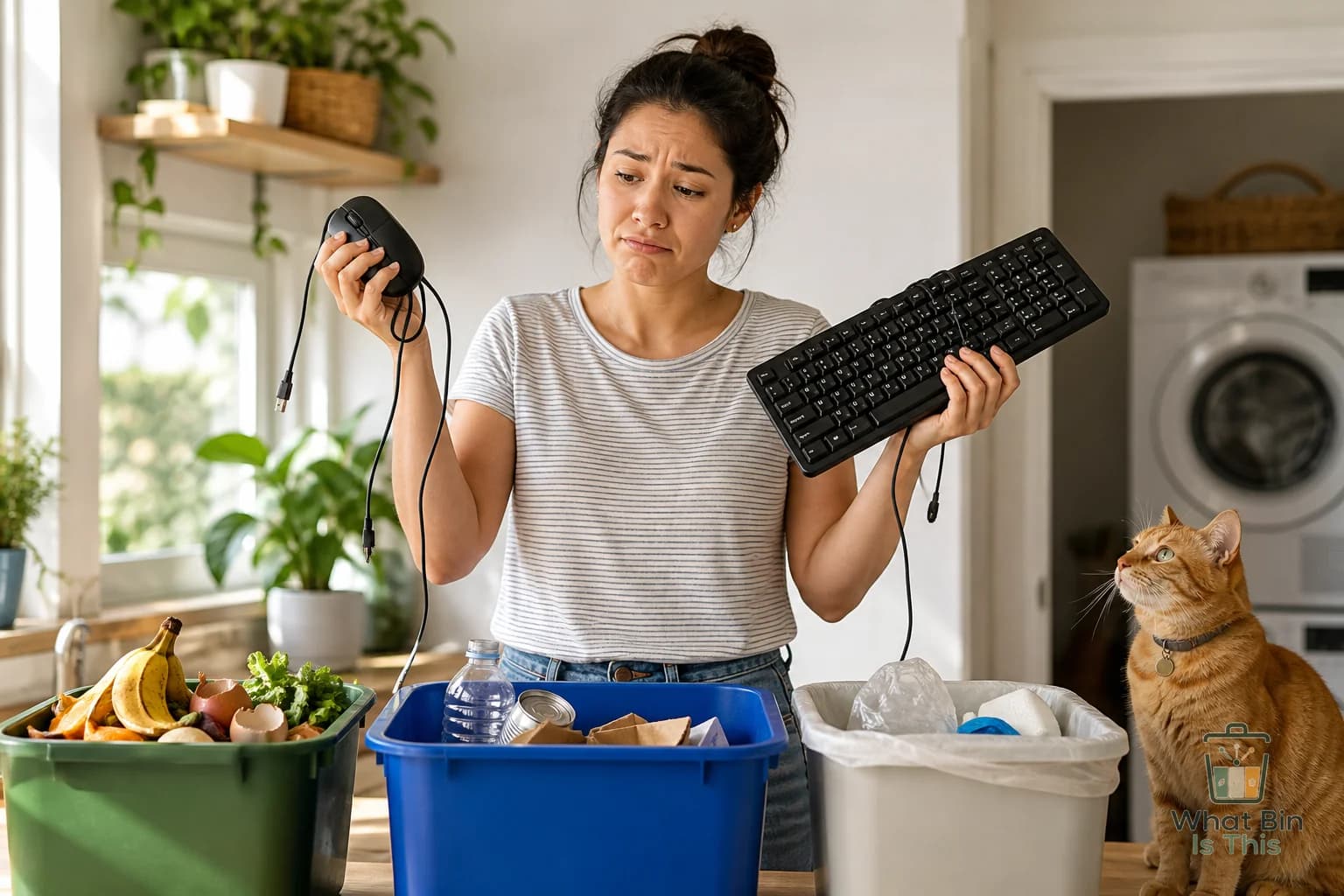
Do keyboards and computer mice go in the recycling bin?
Old keyboards and computer mice usually do not belong in curbside recycling. Remove batteries, use e-waste drop off if available, and check local rules.
Read guide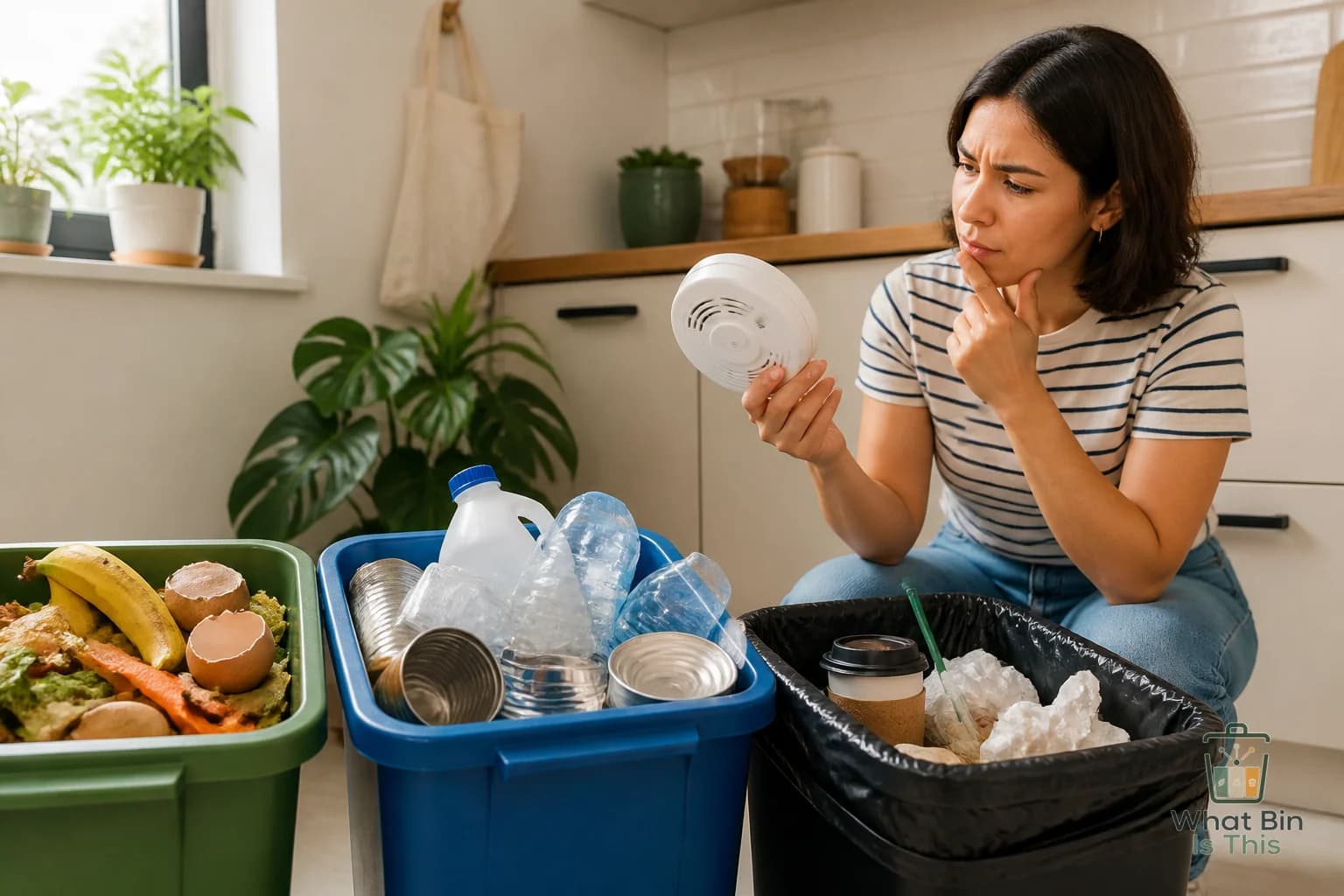
Do smoke detectors go in the recycling bin?
Smoke detectors usually do not belong in curbside recycling. Remove the battery and check local drop-off, manufacturer, or trash rules.
Read guide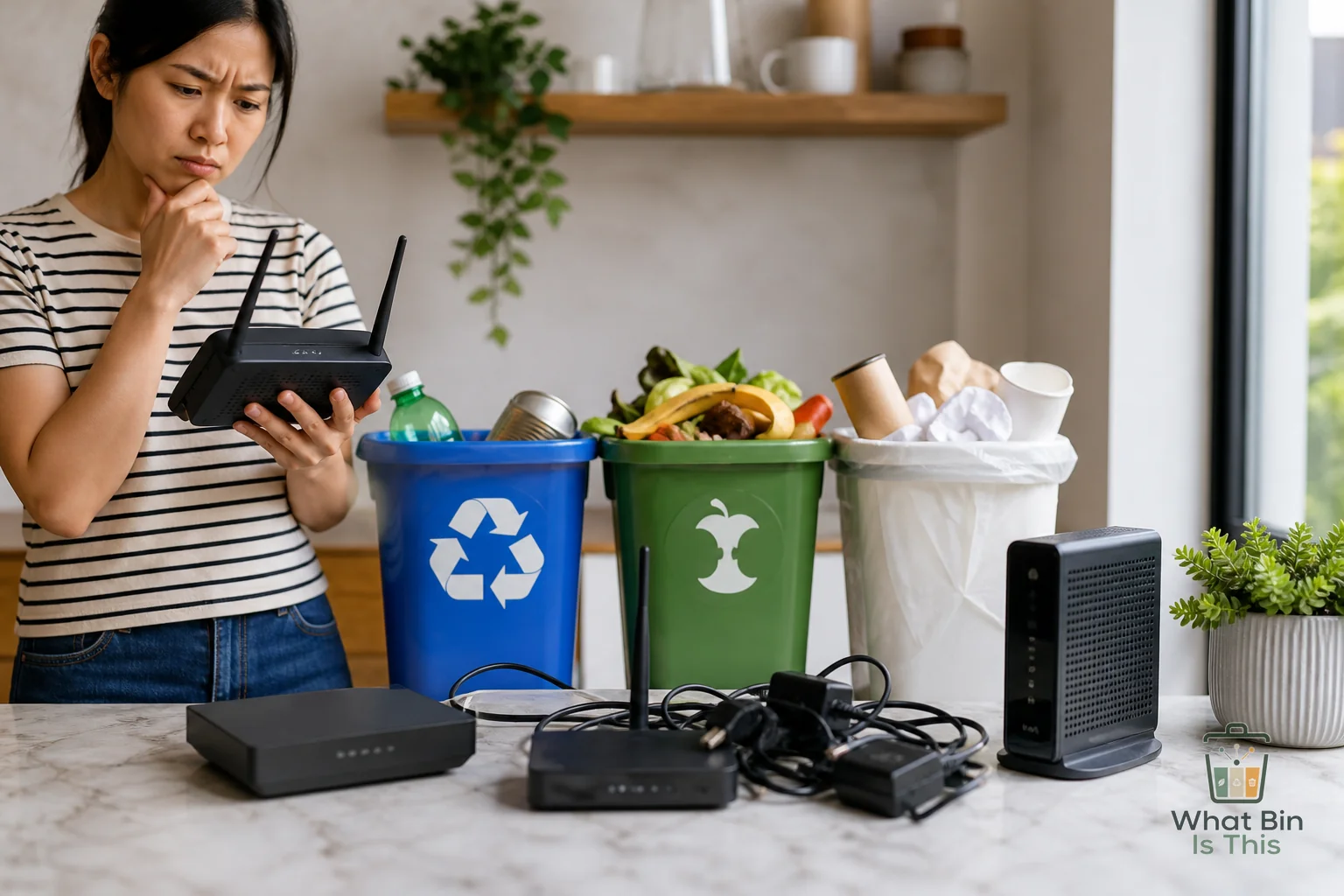
Can you recycle old routers and modems?
Old routers and modems usually do not belong in curbside recycling. Here is where to take them and what to remove first.
Read guide
Do broken headphones go in the recycling bin?
Broken headphones do not belong in curbside recycling. Wired pairs may need e-waste drop-off, while wireless pairs should go to electronics or battery collection.
Read guide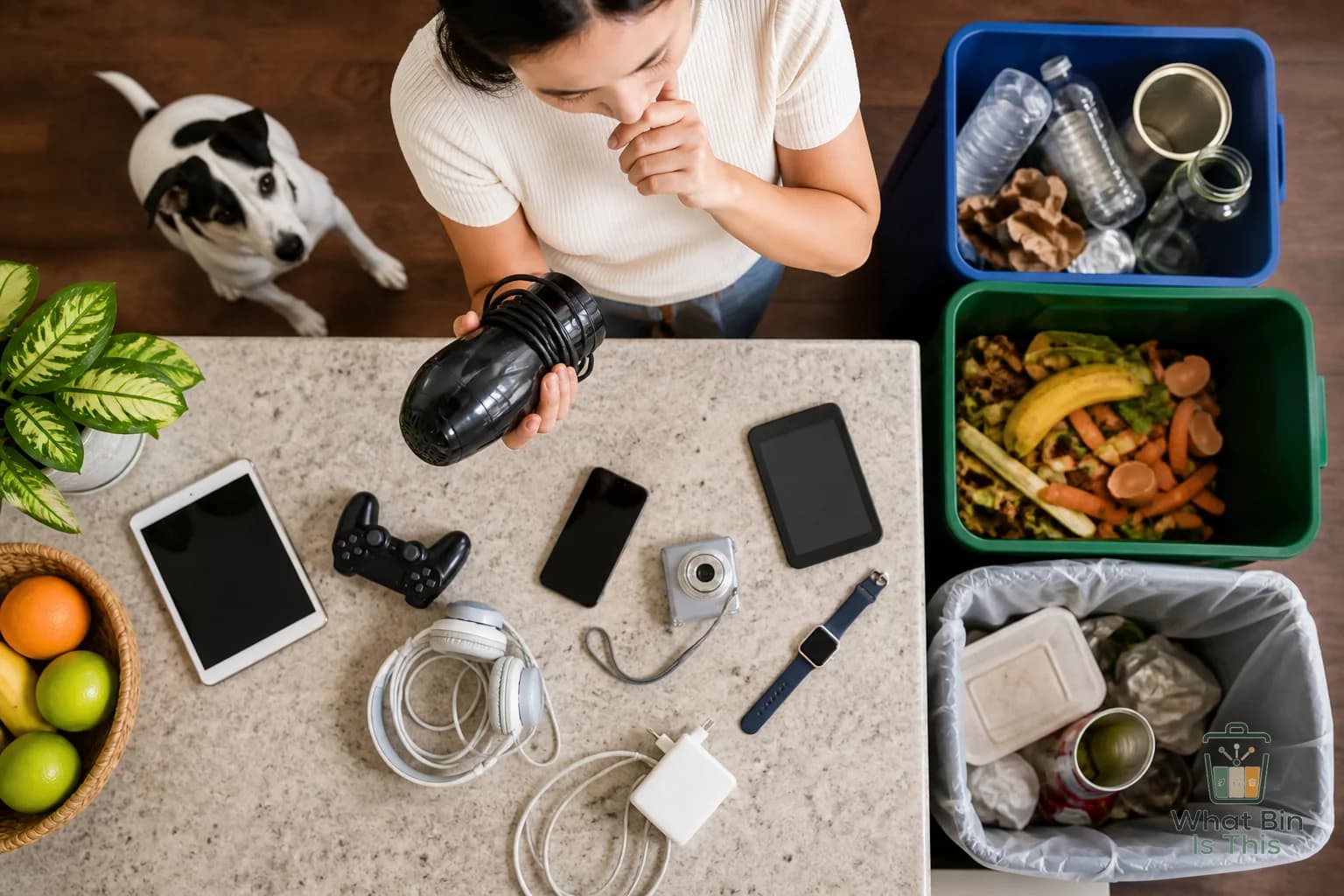
Do old electronics go in the recycling bin?
Most old electronics should not go in curbside recycling. Here is where small devices, gadgets, and e-waste usually belong instead.
Read guide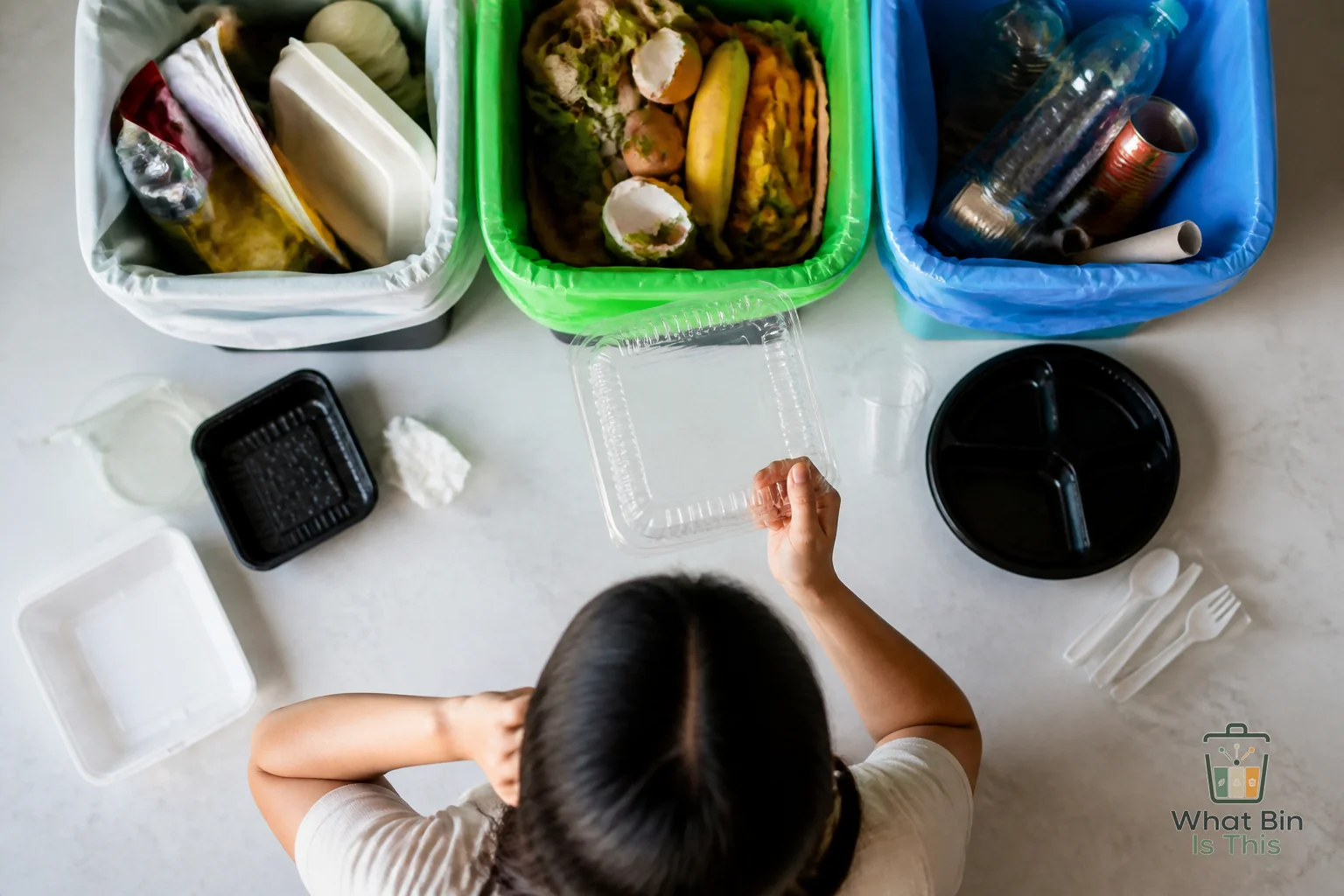
Can you recycle plastic takeout containers?
Plastic takeout containers are sometimes recyclable, but only if your local program accepts that shape and resin type. Check before tossing them in.
Read guideCan you recycle milk cartons?
Milk cartons are recyclable in some cities, but not everywhere. Empty them, rinse lightly, and check whether your local program accepts cartons.
Read guideCan you recycle receipts?
Most receipts should not go in curbside recycling. Learn when a receipt is trash, when paper records can be recycled, and what to check locally.
Read guideCan you recycle aerosol cans?
Aerosol cans can sometimes go in recycling, but only when they are empty and your local program accepts them.
Read guideCan you recycle drinking glasses?
Most drinking glasses do not go in curbside recycling. Learn what to do with broken glass, old tumblers, and reusable glasses.
Read guideCan you recycle pizza boxes?
Pizza boxes are recyclable only when the cardboard is clean enough. Learn what to do with greasy bottoms, liners, crusts, and clean lids.
Read guideCan plastic bags go in the recycling bin?
Most plastic bags should not go in curbside recycling. Learn when to use store drop off, when to trash them, and what mistakes to avoid.
Read guideCan old chargers and cables go in the recycling bin?
Old chargers and cables usually do not belong in curbside recycling. Use e-waste drop-off, retailer takeback, or donate working cords.
Read guideCan clothes go in the recycling bin?
Do not put clothes in curbside recycling. Here is what to donate, drop off for textile recycling, or throw away.
Read guideCan you recycle paper towels?
Paper towels usually do not belong in the recycling bin. Here is when to trash them and when compost might be allowed.
Read guideCan you recycle styrofoam packaging?
Most Styrofoam packaging does not belong in curbside recycling. Learn when foam goes to trash, drop-off, or reuse.
Read guideWeekly Review: The Compost Pail Is Not a Trash Can
A compost heavy week, plus the foil rule people usually miss.
Read guideDo coffee grounds go in compost?
Used coffee grounds can usually go in compost, but filters, pods, and flavored add-ins change the answer.
Read guideCan rice and pasta go in compost?
Rice and pasta can often be composted, but cooked leftovers, sauces, oils, and curbside rules change the answer fast.
Read guideCan pet hair go in compost?
Pet hair can go in backyard compost in small amounts, but curbside compost rules vary and chemically treated fur is a bad bet.
Read guideCan you recycle aluminum foil?
Aluminum foil can often be recycled if it is clean, dry, and balled up. Greasy scraps usually belong in the trash unless your local program says otherwise.
Read guideDo paper plates go in compost?
Plain paper plates may be compostable, but coated, shiny, greasy, or plastic-lined plates often are not. Here is the quick sorting rule.
Read guideDo corn cobs and corn husks go in compost?
Corn cobs and husks can usually go in compost, but cobs break down slowly and curbside programs may treat them differently.
Read guideWeekly Review: Compost Is Not a Vibe Check
Skewers, dryer lint, coffee filters, onion skins, and the compost bag trap.
Read guideDo wooden skewers and toothpicks go in compost?
Bare wooden skewers and toothpicks can often be composted, but coatings, plastic decorations, and local curbside rules change the answer.
Read guideCan dryer lint go in compost?
Most dryer lint should not go in curbside compost. Here is when it belongs in trash and when a tiny amount may be okay in a backyard pile.
Read guideDo houseplant leaves go in compost?
Most houseplant leaves can go in compost, but skip diseased plants, pest covered leaves, soil, plastic tags, and chemically treated material.
Read guideDo onion skins go in compost?
Onion skins and garlic skins can usually go in compost, but curbside rules and backyard bins handle them differently.
Read guideDo compostable bags go in curbside compost?
Compostable bags only belong in curbside compost when your local program accepts them.
Read guideDo coffee filters go in compost?
Plain paper coffee filters can usually go in compost, but plastic lined, pod, or synthetic filters belong somewhere else.
Read guideWeekly Review: Compost Wins, Compost Traps, and One Battery Reminder
Nut shells, weeds, banana peels, paper towels, moldy food, and the battery mistake worth avoiding.
Read guideDo nut shells go in compost?
Most plain nut shells can go in compost, but salted, coated, and extra hard shells need a little judgment.
Read guideDo weeds go in compost?
Most weeds can go in compost, but skip seed heads, invasive plants, and diseased growth unless your local program accepts them.
Read guideAvocado skins vs pits in compost
Avocado skins can usually be composted, but pits are slow and local curbside rules vary.
Read guideDo banana peels go in compost?
Banana peels can usually go in compost, but remove stickers and check curbside food scrap rules before tossing them in.
Read guideDo paper towels go in compost?
Paper towels can sometimes go in compost, but not when they are soaked with cleaners, heavy grease, or pet waste. Use this quick sorting rule.
Read guideCan moldy food go in compost?
Moldy produce, bread, and leftovers are usually compostable, but curbside rules still decide what your bin can take.
Read guideWeekly Review: Compost Rules That Actually Change by Bin
Food scraps are not all equal. This week: citrus, cooked food, meat, eggshells, tea bags, bubble wrap, and shredded paper.
Read guideDo citrus peels go in compost?
Citrus peels can usually go in compost, but home piles, worm bins, and curbside programs handle them differently. Here is the simple sorting rule.
Read guideCan cooked food go in compost?
Cooked food can sometimes be composted, but the right bin depends on what it is and whether you use backyard compost or curbside organics.
Read guideDo meat and bones go in compost?
Meat and bones usually do not belong in backyard compost. Some city food scrap programs accept them, but you need to check your local rule first.
Read guideDo eggshells go in compost?
Eggshells can usually go in compost, but they break down slowly. Crush them first, skip loose raw egg, and check curbside compost rules.
Read guideDo tea bags go in compost?
Tea leaves can usually be composted, but the bag is the tricky part. Here is when tea bags go in compost and when they belong in trash.
Read guideShredded paper recycling: loose, bagged, compost, or trash?
Shredded paper usually should not go loose in curbside recycling. Check your local rules before bagging it, composting it, or tossing it.
Read guideWeekly Review: Pizza Boxes, Propane Tanks, and the Stuff That Tricks the Bin
Greasy cardboard, old batteries, propane tanks, plastic utensils, and other household disposal traps from this week.
Read guidePizza box recycling: clean lid, greasy bottom, or compost?
Sort pizza boxes by condition: clean cardboard can often be recycled, while greasy bottoms usually belong in trash or accepted compost.
Read guideEmpty propane tanks: trash, exchange, or hazardous drop-off?
Empty propane tanks usually do not belong in trash or curbside recycling. Here is the safer way to handle grill tanks and small camping canisters.
Read guideCan you recycle plastic utensils?
Plastic forks, knives, and spoons usually do not belong in curbside recycling. Here is what to do with them instead.
Read guideCan you recycle glass jars and bottles?
Most glass food jars and drink bottles can go in recycling, but only if your local program accepts glass container glass. Keep drinking glasses, mirrors, and broken glass out.
Read guideCan compostable packaging go in curbside compost?
Compostable cups, bags, plates, and takeout containers only go in curbside compost if your local program accepts them. When in doubt, keep them out.
Read guideCan batteries go in the trash?
Most batteries should stay out of curbside recycling. Here is what to do with alkaline, rechargeable, lithium, and button batteries at home.
Read guideWeekly Review: Coffee Grounds, Foam, Cords, and the Junk Drawer Problem
A practical week for compost piles, trash calls, e-waste drawers, and the stuff people keep putting in the wrong bin.
Read guideCoffee grounds and compost: filters, pods, and local rules
Coffee grounds can usually go in compost, but filters, pods, and curbside rules make the answer less automatic.
Read guideCan you recycle styrofoam?
Most Styrofoam does not belong in curbside recycling. Learn when foam goes in the trash, when drop-off might work, and what to check first.
Read guidePaper towels do not belong in recycling
Used paper towels usually go in trash, unless your local compost program accepts food soiled paper. Keep them out of recycling.
Read guideCloset cleanout: can clothes go in the recycling bin?
Most clothes do not belong in curbside recycling. Learn what to donate, drop off, or throw away after a closet cleanout.
Read guideCan old chargers and cables go in recycling?
Old chargers and cables usually do not belong in curbside recycling. Here is when to use e-waste drop-off, retail takeback, or trash.
Read guideOld paint cans: latex, oil-based, trash, or hazardous waste?
Old paint cans are not all the same. Latex paint may be trash once dried, while oil-based paint usually needs household hazardous waste drop-off.
Read guideWeekly Review: The Kitchen Packaging Trap
A quick week of household disposal calls, from coffee pods to greasy pizza boxes.
Read guideCan you recycle coffee pods?
Most coffee pods do not belong loose in curbside recycling. Learn when to trash them, when to use a takeback program, and what to do with the grounds.
Read guideCan you recycle aluminum foil?
Clean, dry aluminum foil can often be recycled if you ball it up. Greasy, tiny, or food-stuck foil usually belongs in the trash.
Read guideCan you recycle chip bags?
Most chip bags do not belong in curbside recycling. Here is what to check, what to avoid, and when a drop-off option might exist.
Read guideCan you recycle prescription bottles?
Empty prescription bottles look recyclable but curbside rules are picky. Here is when they go in recycling and when they belong in the trash.
Read guideCan you recycle pizza boxes?
Pizza boxes can be recycled only when the cardboard is clean enough. Here is what to do with greasy bottoms, cheese, liners, and leftover slices.
Read guideCan you recycle frozen food boxes?
Most frozen food boxes are trash unless your local program specifically accepts coated paperboard. Here’s the quick kitchen rule.
Read guideWeekly Review: Gel Packs, Glassware, Grease, and Takeout Traps
Gel ice packs, drinking glasses, cooking oil, egg cartons, takeout containers, and yogurt cups: here is the practical bin check.
Read guideDo gel ice packs go in trash or recycling?
Most gel ice packs do not belong in curbside recycling. Here is the simple trash rule and what to check before you toss one.
Read guideCan drinking glasses go in the recycling bin?
Most drinking glasses do not belong in curbside recycling. Here is what to do with glassware that is usable, chipped, or broken.
Read guideCan you pour cooking oil down the drain?
Used cooking oil usually should not go down the drain. Here is the safer trash or drop-off answer for grease, fryer oil, and pan drippings.
Read guideDo egg cartons go in recycling?
Find out when paper, plastic, and foam egg cartons belong in recycling, trash, compost, or drop-off.
Read guideTrash or recycling: takeout containers
Takeout containers may be recycling, trash, or compost depending on the material, food residue, and local rules.
Read guideCan you recycle yogurt cups?
Yogurt cups may be recyclable, but it depends on the plastic type and your local program. Here is what to rinse, remove, and check before tossing one.
Read guideCan you recycle milk cartons?
Milk cartons may be recyclable, but it depends on your local program. Learn when to recycle them, when to trash them, and how to prep them.
Read guideCan you recycle paper plates?
Most paper plates do not belong in curbside recycling, especially if they are greasy, wet, coated, or covered with food. Here is the practical bin answer.
Read guideCan you recycle extension cords?
Extension cords usually do not go in curbside recycling. Learn when to donate them, drop them off, or throw them away.
Read guideCan you recycle plastic plant pots?
Plastic plant pots are sometimes recyclable, but many curbside programs do not want them. Learn when to recycle, drop off, reuse, or trash them.
Read guideCan you recycle light bulbs?
Most light bulbs do not go in curbside recycling. Learn what to do with incandescent, halogen, CFL, fluorescent, and LED bulbs.
Read guideCan you recycle aerosol cans?
A practical guide to whether aerosol cans go in recycling, trash, or household hazardous waste.
Read guideCan plastic bags go in the recycling bin?
Plastic bags usually do not belong in curbside recycling. Learn when to use store drop-off, when to trash them, and what not to do.
Read guideWhat counts as recycling contamination?
Recycling contamination means the wrong item or a poorly prepared item went in the recycling bin. Learn the common household mistakes and what to check locally.
Read guideCan you recycle shredded paper?
Shredded paper usually does not go loose in curbside recycling. Learn when to bag it, compost it, drop it off, or trash it.
Read guideCan you recycle plastic hangers?
Most plastic hangers do not belong in curbside recycling. Here is what to do with usable, broken, plastic, and mixed-material hangers.
Read guideCan you recycle receipts?
Most receipts should not go in curbside recycling. Learn when receipts go in the trash, why thermal paper is different, and what to check locally.
Read guideCan you recycle broken glass at home?
Broken glass is usually trash, not curbside recycling. Learn how to wrap it safely and when a local drop-off may apply.
Read guideCan empty propane tanks go in the trash?
Empty propane tanks usually should not go in trash or recycling. Learn the safest practical options for grill tanks and small camping cylinders.
Read guideTrash or drop-off: household batteries
Household batteries usually do not go in curbside recycling. Learn which batteries can go in trash locally and which need a drop-off.
Read guideClean cardboard vs. greasy cardboard: what goes in recycling?
Clean cardboard usually goes in recycling, but greasy or food-soaked cardboard may belong in trash or compost. Here is the quick household sorting rule.
Read guideCan styrofoam be recycled?
Styrofoam is usually not accepted in curbside recycling. Learn when foam can be recycled, when it belongs in trash, and what to check locally.
Read guideTrash or recycling: paper towels
Paper towels usually do not go in curbside recycling. Here is the quick rule for clean, used, and compostable paper towels.
Read guideCompostable packaging in curbside compost: yes, no or maybe?
Not all compostable packaging belongs in your curbside compost bin. Here’s the quick rule and what to check before tossing it.
Read guideCan clothes go in the recycling bin?
Most clothes do not belong in curbside recycling. Here’s the quick rule for wearable, damaged, and unusable textiles.
Read guideTrash or hazardous waste: old paint cans
Not sure where old paint cans go? Here’s the quick rule for latex vs oil-based paint, plus what to do before curbside disposal.
Read guideDo coffee grounds go in compost?
Coffee grounds usually go in compost, not recycling or the trash. Here is the quick rule plus common mistakes and local curbside compost checks.
Read guideTrash or recycling: aluminum foil
Not sure whether aluminum foil goes in trash or recycling? Here’s the quick household rule for clean foil, dirty foil, and foil trays.
Read guideCan old chargers and cables go in the recycling bin?
Chargers and cables usually do not belong in curbside recycling. Here’s where they go and what to do before you drop them off.
Read guideNeed an answer now?
Use lookup for items we have not written up yet.
The guides go deeper, but the lookup tool is built for the moment you are already holding the thing.
Check an itemComing next
More common household questions.
Planned guide
How to dispose of batteries at home
Use the lookup tool to check the specific battery type before saving it for drop-off.
Check AA battery nowPlanned guide
Can broken glass go in recycling?
Use the lookup tool for the exact item, because drinking glasses, jars, and ceramics differ.
Check broken glass nowPlanned guide
What to do with old cables and chargers
Use the lookup tool to sort donate, e-waste, and save-for-later decisions quickly.
Check old cables now