July 26, 2026
Weekly Review: Coffee Grounds, Foam, Cords, and the Junk Drawer Problem
A practical week for compost piles, trash calls, e-waste drawers, and the stuff people keep putting in the wrong bin.
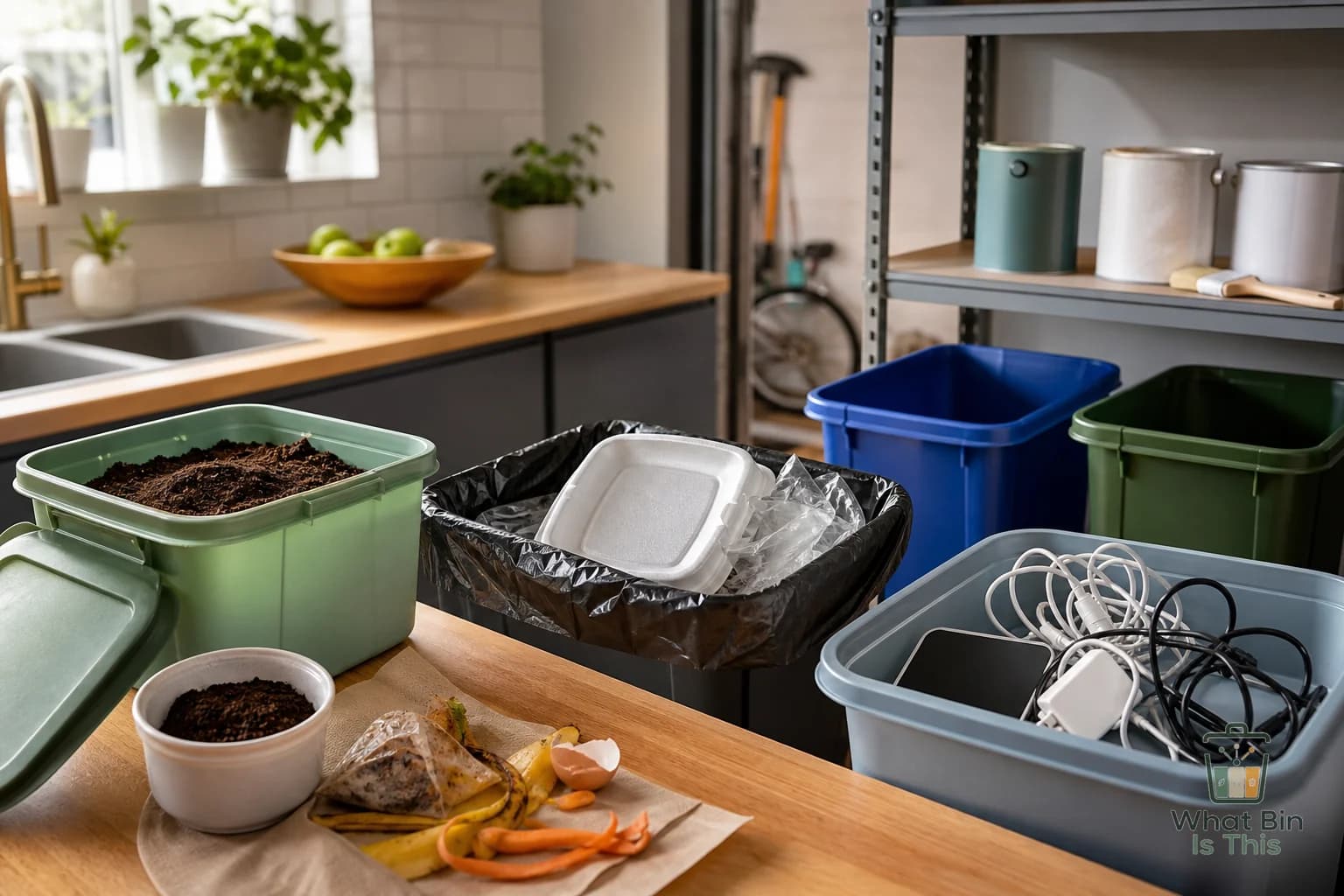
This weekly review is a quick pass through the household disposal questions that pile up in a junk drawer, beside the coffee maker, or next to the trash and recycling bins. Use the review to clear the drawer without turning every cord, foam tray, or coffee filter into a research project.
Item of the Week
Coffee grounds are the kind of waste that makes people feel confident right up until they are holding a soggy filter, a plastic pod, or a bag lined with shiny material.
The short version: used coffee grounds usually belong in compost if your home pile or curbside organics program accepts food scraps. They do not belong in recycling. Wet grit in the recycling bin is not recycling, it is contamination with caffeine.
The catch is everything around the grounds:
- Plain used grounds: usually compost
- Paper filters: sometimes compost, depending on local rules
- Plastic or aluminum pods: check takeback or trash rules
- Grounds mixed with lots of dairy or sweetener: compost only if your program allows it
- Coffee bags with plastic lining: usually trash unless marked for a specific store drop-off program
Check the full guide: Do coffee grounds go in compost?
Featured Guide
Styrofoam looks recyclable because it is plastic and often has a recycling symbol. That symbol does not mean your curbside program wants it.
Most foam cups, takeout clamshells, meat trays, plates, and broken foam packaging go in the trash unless your local program says otherwise. Clean blocks of foam packaging may have specialty drop-off options, but curbside recycling is usually the wrong place.
A decent rule: if the foam touched food, assume trash. If it is clean block packaging from an appliance or shipment, look for a local foam drop-off before giving up.
Recycling Fact
Paper towels are paper, but they are usually not recyclable paper.
Used paper towels often carry food, grease, cleaners, bathroom waste, pet mess, or other residue that recycling facilities do not want. Even unused paper towels are made with short fibers that usually are not valuable for normal paper recycling.
Better sorting:
- Food mess only: compost if your program accepts food soiled paper
- Cleaning chemicals, disinfectant, paint, oil, pet waste, bathroom cleanup: trash
- Blue bin: skip it
Read more: Paper towels do not belong in recycling
What's New
New disposal guides from the past week:
- Do coffee grounds go in compost? Compost is usually right, but filters, pods, and local rules decide the edge cases.
- Can you recycle Styrofoam? Most household foam does not belong in curbside recycling.
- Paper towels do not belong in recycling Trash or compost may be right. Recycling usually is not.
- Can clothes go in the recycling bin? Loose textiles can tangle equipment and cause sorting problems.
- Can old chargers and cables go in recycling? Cords and chargers usually need e-waste drop-off or takeback, not the blue bin.
- Trash or hazardous waste: old paint cans Latex paint and oil based paint are not the same disposal problem.
This week had a clear pattern: the stuff that feels recyclable often is not curbside recyclable. Foam, fabric, cords, paper towels, and paint cans all need a second look.
Check the right bin before you throw it away: What Bin Is This
Question of the Week
Can I throw old chargers and mystery cables in recycling if they are mostly metal?
Usually, no. Loose cables, chargers, laptop bricks, earbuds, adapters, and power cords do not belong in curbside recycling in most places. They can wrap around sorting equipment, create jams, and end up treated as contamination even though they contain recoverable material.
Better options:
- Use an e-waste drop-off site.
- Check retail takeback bins for cords, chargers, and small electronics.
- Watch for city collection events.
- If there is no e-waste option near you, check local trash rules before tossing.
Do not put damaged lithium batteries or swollen electronics in the trash or recycling. Those are a fire risk and usually need special handling.